The Real Cost Factors Behind Liposuction Farmington Hills
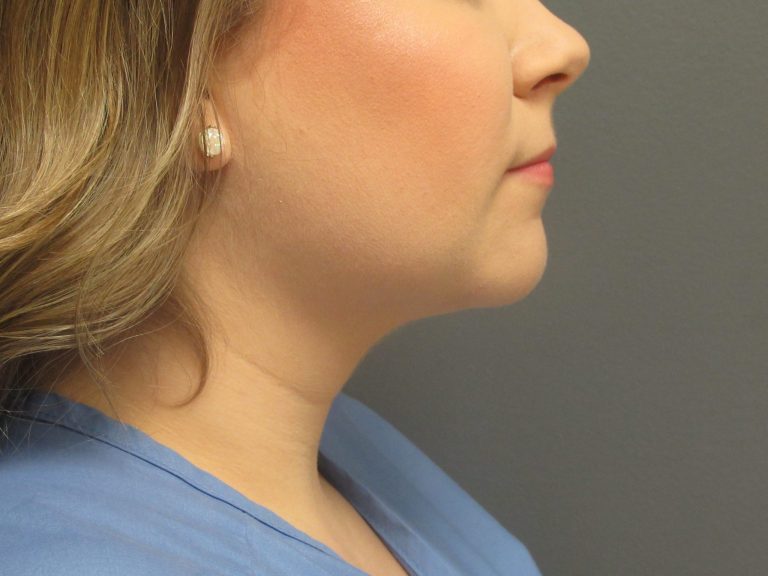
People often start with a simple question: how much does liposuction cost? In practice, that question opens the door to a much bigger conversation. Liposuction pricing is not a single number pulled from a menu. It reflects the surgeon’s training, the complexity of the treatment plan, the setting where the procedure takes place, the anesthesia involved, and the amount of follow-up care built into the fee. In a market like Farmington Hills, where patients can choose from boutique cosmetic practices, larger surgical groups, and nearby metro Detroit providers, the range can be wider than many expect.
That range is exactly why price alone can mislead people. A lower quote may leave out key expenses. A higher quote may include details that protect the patient, shorten recovery issues, or improve the result. I have seen people compare liposuction estimates the way they compare tires or plane tickets, only to realize later that they were not looking at the same thing at all. One quote covered compression garments, follow-up visits, and revision policies. Another was just the surgeon’s fee, with the rest added afterward.
If you are researching Liposuction Farmington Hills, the most useful approach is to understand what drives cost and why those variables matter. Once you see how the pieces fit together, pricing starts to make more sense.
Why liposuction prices vary more than patients expect
Liposuction is often described casually, almost like a routine body contouring appointment. It is not. Even when performed on a healthy patient with a straightforward goal, it is still a surgical procedure that depends heavily on judgment and technique. The price reflects more than the minutes spent in an operating room.
A patient who wants a small amount of fat removed from the lower abdomen presents a very different case from someone combining treatment of the abdomen, flanks, upper back, and under-chin area. The second patient may require more operative time, more fluid management, more positioning changes during surgery, and a longer recovery plan. That complexity increases cost because it increases the time, staffing, and expertise required.
Geography matters too, though sometimes less than people assume. Farmington Hills sits in a market where patients may compare costs with nearby cities such as Novi, West Bloomfield, Birmingham, Troy, or Detroit suburbs. The clinic’s rent and overhead play a role, but the larger drivers are usually surgeon reputation, surgical setting, and case complexity rather than the zip code alone. A highly experienced board-certified plastic surgeon in Farmington Hills may charge more than a less specialized provider nearby, and there are sound reasons for that.
The surgeon’s expertise is not a cosmetic detail
This is the most important factor, and also the one patients sometimes underrate because it is not as visible as a line item on an estimate. Liposuction is not just suctioning fat out of an area. It involves contouring, symmetry, judgment about how much fat to remove, and careful handling of tissues to reduce irregularities. The best results often look effortless, but that appearance is built on experience.
A surgeon with years of focused body contouring work may charge more because the operation is not interchangeable from one provider to another. Technique matters. So does restraint. One of the more common problems after low-cost liposuction is overresection, meaning too much fat is removed, leaving dents, waviness, or unnatural transitions. Correcting that can be harder and more expensive than doing the first procedure well.
Credentials matter here. Patients should understand who is performing the surgery, what their training background is, whether they are board-certified in a relevant surgical specialty, and how frequently they perform liposuction. A lower quote can become very expensive if it leads to a revision, prolonged swelling, contour defects, or treatment in a setting not equipped for complications.
That does not mean the highest fee always equals the best surgeon. It means expertise has value, and that value should be part of the decision rather than treated as a luxury add-on.
What you are actually paying for
When practices discuss liposuction fees, the total usually includes several separate components. Patients who understand these pieces are better equipped to compare quotes fairly.
- surgeon’s fee for planning and performing the procedure
- anesthesia fee, which may vary by provider type and procedure length
- operating room or surgical facility fee
- pre-operative testing, garments, medications, and post-op supplies
- follow-up care, which may or may not be bundled into the quote
Those categories sound straightforward, but the details are where the real differences appear. A practice may quote a fee that includes standard follow-up appointments, early check-ins, and aftercare support. Another may quote only the base surgery. One clinic may use an accredited private surgical suite, while another relies on a hospital or ambulatory center with different fee structures. Even compression garments can vary in quality and fit, which affects comfort during recovery.
A patient once told me she chose a quote that looked nearly $2,000 less expensive at first glance. By the time the anesthesia bill, garment cost, facility charges, and medication expenses were added, the difference had shrunk to a few hundred dollars. She still might have chosen that office, but she would have made the decision with better information.
Treatment area changes the math quickly
The area being treated has a major effect on cost because it changes both the technical challenge and the time involved. Small areas, such as under the chin or a limited pocket around the bra line, usually cost less than larger zones like the abdomen or circumferential flanks. Multi-area liposuction increases operative time and often requires more extensive contour planning.
In body contouring, the phrase “one area” can also be misleading. The abdomen alone may be quoted differently than the abdomen and flanks together, and for good reason. Most surgeons view the torso as a connected shape, not separate boxes. If someone treats only the central abdomen but ignores the side contours, the result may be flatter in front but less balanced overall. Patients who want a more polished silhouette often choose combined treatment, which raises cost but can improve proportionality.
This is where consultation matters. A surgeon may recommend treating a slightly wider zone than the patient first imagined. That recommendation is not automatically upselling. Sometimes it reflects what is needed for a smooth transition and a natural-looking result. Other times, restraint is the right move. Good planning is individualized, and that has a direct effect on price.
Technique, technology, and marketing are not the same thing
Liposuction can be performed using several approaches, including traditional suction-assisted techniques and methods that involve power-assisted, ultrasound-assisted, or laser-based devices. Newer technology can sound impressive in marketing, but devices do not replace surgical judgment.
Some technologies increase equipment costs and may contribute to a higher price. In certain cases they offer real advantages, such as efficiency in fibrous areas or improved ease of fat removal. In other cases, the marketing around the device is more dramatic than the practical difference for the patient. That is why patients should ask not just what tool will be used, but why that method fits their anatomy and goals.
A higher-tech method is not automatically superior. Likewise, a surgeon who uses a more conventional approach is not automatically behind the times. The meaningful question is whether the chosen technique is appropriate for the treatment area, the patient’s skin quality, and the desired contour.
Anesthesia can shift the total more than expected
Many patients underestimate how much anesthesia affects overall cost. Liposuction may be performed under local anesthesia, local with sedation, or general anesthesia depending on the size of the treatment area, patient comfort, and surgeon preference. The larger and longer the case, the more likely anesthesia costs will climb.
Anesthesia fees are often based on time, provider credentials, and facility type. A board-certified anesthesiologist in an accredited operating suite will usually cost more than minimal sedation in a small office setting. That can feel frustrating when someone is trying to keep the budget under control, but safety has to come first. Patients with certain medical conditions, higher BMI, anxiety about the procedure, or multiple treatment areas may be better served with a more structured anesthesia plan.
The key is matching the anesthesia strategy to the actual case, not simply chasing the cheapest route. A safe, controlled experience tends to support smoother recovery and fewer complications.
Facility fees are about more than a room
Where the surgery happens matters. Facility fees cover the physical environment, staff support, equipment, sterilization systems, recovery space, and emergency readiness. Accredited surgical suites tend to cost more than less comprehensive office settings, but that extra expense is tied to standards and infrastructure.
In Farmington Hills and surrounding communities, some cosmetic procedures are done in office-based surgical facilities, while others take place in ambulatory centers or hospitals. Each model carries different overhead. Hospitals often have the highest facility charges. Accredited office surgical suites can be more efficient and more comfortable for healthy elective surgery patients, though the right choice depends on the procedure and the person undergoing it.
When comparing estimates, it helps to ask whether the facility is accredited and who will be present during the procedure. Those details are part of the true cost picture, even if they do not show up as glamorous selling points.
The patient’s anatomy influences pricing, even before surgery starts
Two people requesting abdominal liposuction may receive very different quotes because their bodies present different demands. Skin elasticity, prior surgeries, scar tissue, distribution of fat, and the amount of contouring required all influence how involved the operation will be.
For example, a patient who has had previous abdominal procedures may have internal scarring that makes surgery slower and technically more difficult. Someone with firm, localized fullness and good skin tone may be a more straightforward candidate than someone with looser skin, broader fat distribution, and concerns that might be better addressed with a different procedure altogether. In some cases, liposuction alone is not the best answer. If skin laxity is a major issue, a tummy tuck or combined body contouring approach may provide a better result, though it changes the budget significantly.
This is one reason online price shopping often produces confusion. Photos and flat fee ads cannot capture what the surgeon sees during an in-person evaluation.
Combining procedures can save money, or drive it up
Patients frequently ask whether combining procedures is more cost-effective. Often, yes, but only up to a point. If someone is already paying a facility fee and an anesthesia team for one surgery, adding a second treatment area may increase the total less than scheduling two separate operations. That can make combined liposuction more efficient from a financial standpoint.
At the same time, combination surgery increases operative time and recovery demands. There is a threshold beyond which doing more at once may not be wise, even if the patient wants a one-and-done approach. The safest and most aesthetic plan is not always the biggest single session.
A realistic consultation should cover that trade-off openly. Saving on duplicate facility or anesthesia costs can be sensible. Stretching surgery too far to chase a discount usually is not.
Revision risk is an overlooked cost factor
One of the quiet truths in cosmetic surgery is that bargain pricing can move the financial burden down the road rather than remove it. When liposuction is poorly planned or imprecisely performed, revision surgery may be needed to address asymmetry, unevenness, insufficient reduction, or overcorrection. Revision cases are often more expensive than primary cases because scar tissue, altered anatomy, and patient expectations make them more demanding.
This matters when evaluating low initial quotes. If a practice competes heavily on price, patients should ask how revisions are handled. Some surgeons include limited revision policies under specific conditions. Others treat revisions as entirely new surgeries with separate facility and anesthesia charges. There is no universal model, but clarity matters.
The cheapest estimate is not always the least expensive path.
Recovery costs are real, even when clinics do not mention them first
Not every expense shows up on the clinic paperwork. Recovery has indirect costs that deserve honest attention. Time off work can be substantial for physically demanding jobs. Childcare may be needed for the first few days. Some patients budget for help around the house, especially if multiple areas are treated. Prescription medications, extra garments, transportation on surgery day, and hydration or comfort supplies at home can all add up.
For salaried remote workers, this may be manageable. For Liposuction Farmington HIlls someone who stands all day, lifts regularly, or relies on hourly wages, recovery can carry a much more significant financial impact. A careful surgeon will discuss downtime realistically. If a quote looks affordable but the patient cannot actually absorb the recovery period, the true cost has not been fully counted.
I have seen patients prepare meticulously for the surgical bill and then get caught off guard by a week of reduced productivity, missed shifts, or the need to postpone travel and events. Practical planning matters just as much as procedural pricing.
Why consultations in Farmington Hills can feel different from one office to another
The consultation experience itself often signals how a practice approaches cost transparency. Some offices provide a broad starting range before the appointment and then refine it after examination. Others prefer to discuss numbers only after the surgeon has built a surgical plan. Neither approach is inherently wrong, but patients should leave with a written estimate that spells out what is included.
In the Farmington Hills area, competition among aesthetic practices means patients may hear very different language around value. One office may emphasize customization and surgeon access. Another may highlight financing and monthly payments. Another may focus on premium amenities and concierge care. Those things affect the patient experience, but they should not distract from the basics: who is operating, where the surgery takes place, what the estimate includes, and what recovery support is available.
Searching for Liposuction Farmington Hills will likely bring up a mix of promotional pricing, before-and-after galleries, and broad claims about sculpting results. Those materials can be useful, but they are not enough to judge cost fairly. A detailed consultation remains the only reliable way to understand your actual price.
Financing changes affordability, not the procedure’s price
Many practices offer payment plans or third-party financing. That can make treatment more accessible, especially for patients who prefer to spread the cost over time. But financing does not reduce the underlying price. In fact, depending on the terms, it may increase the total paid through interest or fees.
Patients should separate two questions that often get blended together. First, is the procedure worth the quoted fee? Second, is the payment structure manageable? A monthly payment can make a higher-quality option feel more attainable, but it should not obscure the overall amount being financed.
This is especially relevant when comparing practices. A lower monthly figure may simply reflect a longer repayment period, not a better value.
Questions worth asking before you compare quotes
A few direct questions can quickly reveal whether two estimates are truly comparable.
- What exactly is included in the quoted price?
- Who will administer anesthesia, and where will surgery take place?
- How many areas are being treated, and how are those areas defined?
- What follow-up care, garments, and medications are included?
- If a revision is needed, how is that handled financially?
Those five questions tend to expose the biggest pricing differences. They also shift the conversation away from sticker shock and toward informed consent. A patient who asks them usually gets a more candid, useful consultation.
When a higher quote may actually be the better value
Value in cosmetic surgery comes from a mix of safety, technical skill, communication, follow-up, and result quality. If a higher quote buys substantially better judgment, better contouring, stronger perioperative support, and a lower chance of revision, it may be the wiser financial choice.
That does not mean every premium fee is justified. Some practices carry luxury pricing tied more to branding than measurable patient benefit. The challenge is to distinguish between reputation built on results and price inflated by image. Before-and-after consistency, thorough consultations, and transparent fee breakdowns usually tell you more than polished marketing.
A surgeon who spends time setting realistic expectations is often worth listening to, especially if they occasionally say no. Restraint is a sign of professionalism in aesthetic surgery. When a provider treats every concern as something that can be sold, patients should pause.
The bottom line for patients considering Liposuction Farmington Hills
The cost of liposuction in Farmington Hills is shaped by several interacting factors, not one master number. Surgeon expertise, the number and size of treatment areas, anesthesia choice, facility standards, aftercare, and the complexity of the patient’s anatomy all matter. Hidden or delayed costs, such as missed work, extra supplies, or future revision surgery, matter too.
Patients make the best decisions when they move past the cheapest-quote mindset and look at the full picture. A fair liposuction estimate should be clear, detailed, and grounded in an individualized exam. It should explain what is included, what is not, and why the treatment plan was recommended in the first place.
For anyone researching Liposuction Farmington Hills, the smartest question is not simply “What does it cost?” It is “What am I paying for, and does that give me the safest path to the result I want?” That is where meaningful value lives, and it is usually where the best outcomes begin.
Aesthetic Plastic Surgery & Laser Center, Michelle Hardaway M.D.
27920 Orchard Lake Rd
Farmington Hills, MI 48334
(248) 221-1957
FAQ About Liposuction Farmington Hills
What disqualifies you from getting liposuction in Farmington Hills?
A surgeon may recommend postponing or avoiding liposuction if a health condition, medication, or nicotine use raises the risk of surgery or poor healing. A consultation is needed to assess your medical history and whether the procedure fits your goals.
Can liposuction remove 20 pounds?
Liposuction is a body contouring procedure for localized fat. It is not a weight loss treatment, and a specific number of pounds is not a safe or useful target. The surgeon determines how much can be removed safely for each patient.
What are the risks of liposuction?
Risks include infection, changes in sensation, uneven contours, and complications from anesthesia or blood clots. A plastic surgeon can explain which risks apply to you and what to expect during recovery.