Liposuction Farmington Hills: Understanding Swelling, Bruising, and Healing
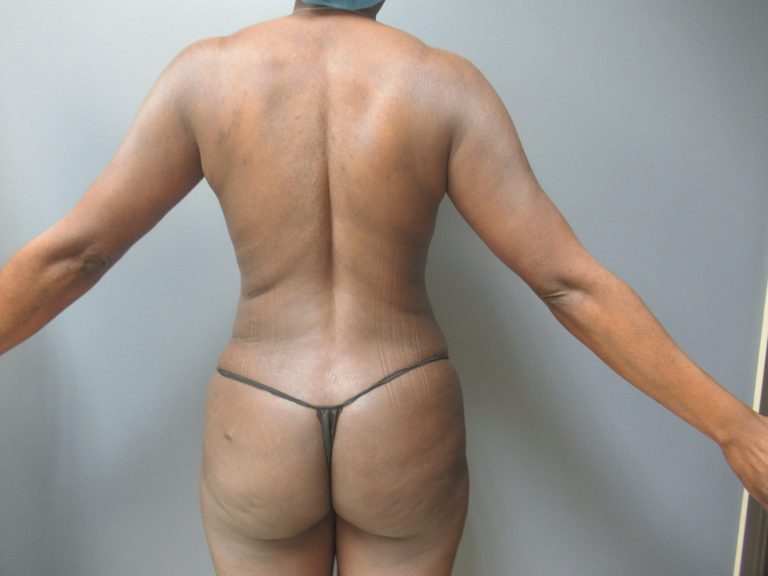
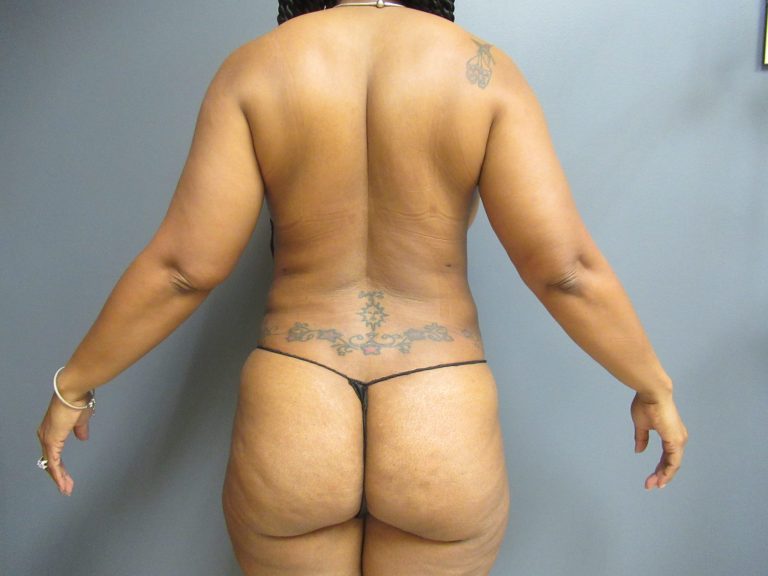
Anyone considering body contouring usually spends most of their energy thinking about the final result. That makes sense. People picture a flatter abdomen, a more defined waist, or the way clothing might fit once stubborn fat is gone. What often gets less attention is the stretch between surgery day and that finished result. That stretch matters. It is where expectations are tested, patience gets thin, and normal healing can sometimes feel more dramatic than patients anticipated.
For people researching Liposuction Farmington Hills, one of the most important things to understand is that swelling and bruising are not side notes. They are central parts of the recovery process. They are expected, they vary from person to person, and they often change shape and intensity over several weeks. A smooth recovery does not always look pretty in real time.
Patients are often surprised by how uneven healing can seem at first. One side may swell more than the other. A treated area may feel firm, numb, or oddly tender all at once. Bruising can travel downward with gravity, showing up in places that were not directly treated. None of this necessarily means something is wrong. It means the body is doing exactly what living tissue does after a surgical procedure, which is respond, adapt, and repair.
What actually happens to the body after liposuction
Liposuction removes fat through a thin tube called a cannula, but the procedure is more than simple extraction. Even in skilled hands, the body experiences controlled trauma. Small blood vessels are disrupted. Tissue planes are disturbed. Fluid shifts begin almost immediately. Local inflammation starts as the body moves into repair mode.
This is why swelling develops so predictably. The body sends fluid and inflammatory cells into the treated area. That response helps healing, but it also creates puffiness, firmness, and temporary contour changes. Many patients expect to look smaller right away and are confused when they look larger in the first few days. That is common. The fat may be gone, but the body is holding fluid.
Bruising happens for a similar reason. Tiny blood vessels leak after surgery, and blood settles into surrounding tissues. Over the next several days, bruises can darken, spread, and then slowly fade through the familiar sequence of purple, blue, green, yellow, and brown. On the abdomen or flanks, bruising may drift downward toward the groin or upper thighs. On the arms, it can migrate toward the elbows. That movement tends to alarm people the first time they see it, but it often reflects gravity more than a new problem.
The body’s timing is not especially convenient. It heals on its own schedule. A person can feel well enough to move around and return to desk work while still looking swollen, bruised, and uneven. That mismatch between how you feel and how you look is one of the more frustrating parts of liposuction recovery.
Swelling is normal, but it is not always predictable
If there is one recovery issue that causes the most second-guessing, it is swelling. Patients want to know how much is normal, how long it will last, and when they can trust the mirror again. The honest answer is that swelling follows patterns, but it still varies widely.
Most people notice the biggest surge in swelling in the first several days. After that, the body starts a slow settling process. Some of the puffiness improves within two to three weeks, but residual swelling can linger much longer. Areas such as the lower abdomen, flanks, inner thighs, and lower back are especially known for hanging onto fluid. By the Liposuction Farmington HIlls end of the first month, many patients are clearly improved but not at their final contour. By two to three months, they usually look much closer to the result they had in mind. Subtle refinement can continue beyond that.
What makes swelling tricky is that it is rarely steady. It fluctuates. Patients often report that they look better in the morning and puffier at night, especially if they have been on their feet, exercising too soon, eating salty foods, or not wearing compression as directed. That day-to-day variation does not mean recovery has stalled. It simply reflects fluid behavior in healing tissues.
I have seen many patients become convinced that their surgeon missed an area, created a lump, or left a contour irregularity, only for that concern to soften and disappear as swelling resolves. Early firmness and unevenness are common. Healing tissue is not polished tissue.
Why bruising can look worse before it looks better
Bruising has a way of creating more anxiety than pain. The visual impact can be striking, especially when several areas are treated at once. Someone may feel sore but otherwise fine, then look down and see dramatic discoloration that seems out of proportion to how they feel. That disconnect can be unsettling.
Bruising depends on several factors, including the extent of treatment, the patient’s natural tendency to bruise, medications and supplements, activity level after surgery, and whether multiple areas were addressed in one session. People with fair skin often notice bruises more vividly, but darker skin tones can still experience substantial bruising that appears in different shades.
The first week is usually the peak period for visible bruising. By the second week, many bruises are fading, though some traces can last longer. If a patient had larger-volume liposuction or tends to bruise easily, it is not unusual for discoloration to remain noticeable for several weeks.
There is also a practical point that is often missed. Bruising does not necessarily mirror the quality of the result. A patient with impressive bruising can heal beautifully, while a patient with very little bruising can still have prolonged swelling. The two are related to tissue response, but they are not scorecards.
Compression garments help, but they are not magic
Compression garments are one of the most discussed parts of recovery, and for good reason. When used properly, they can help control swelling, support the healing contour, reduce that heavy sloshy feeling many patients describe, and make movement more comfortable. They do not remove all swelling, and they do not force the body into a shape it cannot achieve. Their role is support, not transformation.
The challenge is fit. A garment that is too loose does not provide enough support. A garment that is too tight can dig in, create pressure lines, worsen discomfort, and occasionally contribute to uneven swelling patterns. This is why good postoperative guidance matters. Patients sometimes buy their own compression online, guessing at size and strength, then wonder why they are miserable or why certain spots seem more swollen.
A well-fitted garment should feel snug and supportive without causing numbness, sharp pain, skin injury, or difficulty breathing. It should allow reasonable movement. It should not bunch into folds that press hard into healing tissue. Most surgeons provide a clear schedule for wear, and that schedule should be followed rather than improvised.
People also tend to underestimate how emotionally useful compression can be. Swelling makes tissues feel unstable. Gentle support often helps patients feel more secure when walking, standing, or sleeping. That alone can make the first week more manageable.
The first month often comes with ups and downs
Recovery rarely unfolds in a perfectly linear way. There is usually a rhythm to it. The first few days are dominated by drainage, soreness, stiffness, swelling, and fatigue. The second week often brings improved mobility, fading bruises, and a sense that the hardest Liposuction Farmington HIlls part is passing. Then, around the third or fourth week, some patients become discouraged because swelling lingers and the final shape still feels out of reach.
That emotional dip is common. Early adrenaline is gone. Patience wears thin. Clothes fit differently, but not consistently. The treated area may feel firmer than expected, sometimes almost board-like in places. Numbness may persist. Mild pulling or zinging sensations can come and go as nerves wake up. These experiences tend to be normal, yet they can be surprisingly stressful if no one prepared the patient for them.
This is one reason experienced practices spend real time on postoperative education. Good outcomes depend not only on technical surgery but also on setting a recovery timeline that is realistic. In the setting of Liposuction Farmington Hills, where many patients want discreet treatment and a quick return to work or social life, managing expectations becomes especially important. You can often return to routine activities long before you look camera-ready.
Firmness, lumps, and temporary unevenness
A question that comes up often is whether lumps are normal after liposuction. In many cases, yes, temporary firmness and irregular texture are part of healing. As fluid moves through the tissue and the body lays down early scar tissue, areas can feel thick, tight, or subtly bumpy. This does not automatically mean a permanent contour problem has formed.
What matters is the pattern and timing. Diffuse firmness that slowly softens over weeks is common. Mild asymmetry that improves as swelling decreases is common. A sharply worsening area, increasing redness, significant heat, or severe pain deserves prompt evaluation.
Some surgeons recommend massage, manual lymphatic techniques, or gentle mobilization depending on the case. Others prefer a more hands-off approach early on. There is no universal recipe that suits every patient. The extent of liposuction, the body area treated, and the surgeon’s technique all influence what kind of aftercare makes sense. This is one of those areas where patients get into trouble by following advice from social media instead of their own surgical team.
A practical example helps here. Someone who has liposuction of the abdomen and flanks may feel a band of tightness across the lower belly at two weeks and assume it is scar tissue that will never settle. In many cases, by six to eight weeks that same area is softer and flatter, simply because swelling has receded and tissue has relaxed. Early texture is not destiny.
What supports better healing at home
Most recovery instructions sound simple on paper, but the details matter. Hydration, walking, garment use, rest, and medication timing all influence how the first two weeks feel. People tend to focus on dramatic interventions when the basics usually matter more.
Here are the habits that most consistently help during early recovery:
- Walk several times a day, even if only for short stretches. Gentle movement supports circulation and reduces stiffness.
- Wear your compression garment exactly as instructed, without over-tightening or taking long unscheduled breaks.
- Keep sodium moderate and stay well hydrated, since dehydration and salty meals can make swelling feel worse.
- Avoid strenuous exercise until your surgeon clears you, even if your energy returns before your tissues are ready.
- Take follow-up visits seriously. Small concerns are easier to address early than after several anxious weeks.
These steps are not glamorous, but they do more for comfort and healing than most people expect.
When swelling and bruising deserve a call to the surgeon
Patients sometimes hesitate to call because they do not want to seem overly worried. It is better to ask. A good surgical team expects questions, especially in the first week. Most concerns turn out to be normal, but a few should never be brushed aside.
There are several signs that should prompt direct communication:
- swelling that suddenly increases on one side rather than gradually improving
- severe pain that is getting worse instead of better
- spreading redness, warmth, or drainage with a foul odor
- shortness of breath, chest pain, or calf pain
- fever, especially when paired with worsening local symptoms
Most postoperative calls are not emergencies, but those symptoms warrant prompt attention. It is always safer to have a surgeon say, “That sounds expected,” than to stay silent and guess.
The timeline patients usually find most helpful
People often ask for an exact healing calendar, but recovery is better understood in ranges. That keeps expectations grounded. A straightforward case with limited areas treated will often move faster than a larger procedure involving the abdomen, flanks, thighs, or multiple zones at once.
During the first week, swelling and bruising are usually at their most obvious. Drainage from small incisions may occur early, depending on technique. Soreness often feels like an intense workout layered with tenderness and pressure. By the second week, many people are moving more comfortably and seeing bruises fade, though swelling is still very present. By weeks three and four, clothes may fit better, but the mirror can still shift from day to day. At six weeks, many patients look noticeably improved and can resume more normal activity if cleared. At two to three months, the contour is generally much closer to the final outcome. Fine settling may continue after that.
The key point is this: the first result is not the final result. Many patients judge too early. They study every curve under bathroom lighting at ten days, which is almost guaranteed to create anxiety. Healing tissue needs time.
Factors that can slow recovery
Not every slow recovery is a bad recovery. Some patients simply heal more gradually. Larger treatment areas, higher volumes of fat removal, prior surgery in the same region, individual inflammatory response, smoking, inconsistent compression use, and returning to exercise too quickly can all stretch out the process.
Hormonal shifts can also influence fluid retention. So can prolonged standing, travel, and heat. I have seen patients do very well for two weeks, then swell significantly after a long car ride, a restaurant meal, and a busy day back at work. They assume something has gone wrong, but often the body is reacting to ordinary stressors layered on top of healing.
This is why blanket promises about being “back to normal” by a certain date should be taken cautiously. Recovery has averages, not guarantees.
A note on pain, numbness, and sensation changes
Pain after liposuction is often described less as sharp pain and more as soreness, tenderness, tightness, and fatigue. That said, discomfort varies. Areas with more movement, such as the abdomen and flanks, can feel more noticeable during basic daily activities. Inner thighs may rub. Arms may ache when lifting. Sleep can be awkward for a while, particularly for people who are not used to staying in one position.
Numbness is another issue that worries patients. Temporary numb spots or altered sensation in the treated area are common because small sensory nerves get irritated during the procedure. Sensation usually improves gradually, though the timing is variable. Intermittent tingling or sudden brief zaps can happen as nerves recover. Strange does not always mean dangerous.
What matters is whether symptoms are gradually improving or clearly worsening. Healing often feels odd before it feels normal.
Choosing expectations that match reality
Body contouring can be deeply satisfying, but it rewards realism. Liposuction removes fat. It does not replace healthy habits, erase every natural asymmetry, or give instant final-definition results in a week. Skin quality matters. Age matters. The amount and location of fat matter. So does the quality of recovery.
For patients exploring Liposuction Farmington Hills, the most useful mindset is to treat recovery as part of the procedure rather than an inconvenient pause after it. The surgeon’s skill shapes the opportunity. Healing determines how that opportunity settles into view.
A patient who understands swelling, bruising, firmness, and the pace of tissue recovery is less likely to panic at normal postoperative changes. That patient is also more likely to follow instructions, attend follow-ups, and give the body enough time to show the result properly. In cosmetic surgery, patience is not passive. It is an active part of getting a good outcome.
Why the final result takes time to reveal itself
There is a moment in many recoveries when the body seems to turn a corner. The bruises are mostly gone. The stiffness eases. The garment no longer feels like armor. Clothes begin to drape differently. Then, often quietly rather than dramatically, the contour starts to make sense.
That change rarely happens overnight. It arrives in layers. A waistline sharpens. The lower abdomen softens. The flank that looked puffy at three weeks now looks cleaner at eight. Patients who take progress photos often notice this more easily than patients who rely on memory alone. Day by day, the changes are subtle. Month by month, they are easier to appreciate.
Healing after liposuction asks for a little humility from everyone involved. Surgeons cannot rush biology. Patients cannot force fluid out by worrying harder. What they can do is prepare well, recover carefully, and judge results at the right time.
Swelling and bruising are not signs that something has failed. Most of the time, they are signs that the body is doing hard, necessary work. Understanding that from the start makes the whole process more manageable, and usually far less stressful.
Aesthetic Plastic Surgery & Laser Center, Michelle Hardaway M.D.
27920 Orchard Lake Rd
Farmington Hills, MI 48334
(248) 221-1957
FAQ About Liposuction Farmington Hills
What disqualifies you from getting liposuction in Farmington Hills?
A surgeon may recommend postponing or avoiding liposuction if a health condition, medication, or nicotine use raises the risk of surgery or poor healing. A consultation is needed to assess your medical history and whether the procedure fits your goals.
Can liposuction remove 20 pounds?
Liposuction is a body contouring procedure for localized fat. It is not a weight loss treatment, and a specific number of pounds is not a safe or useful target. The surgeon determines how much can be removed safely for each patient.
What are the risks of liposuction?
Risks include infection, changes in sensation, uneven contours, and complications from anesthesia or blood clots. A plastic surgeon can explain which risks apply to you and what to expect during recovery.