Liposuction Farmington Hills: Everything to Know About Compression Garments
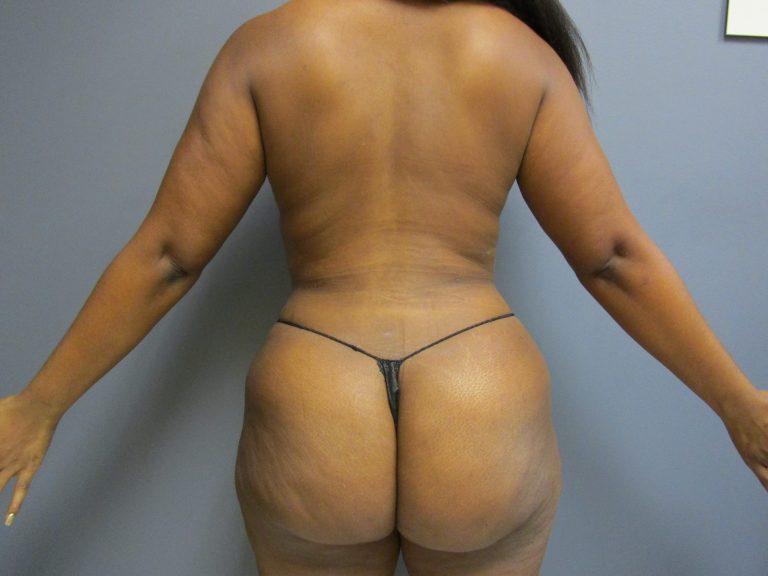
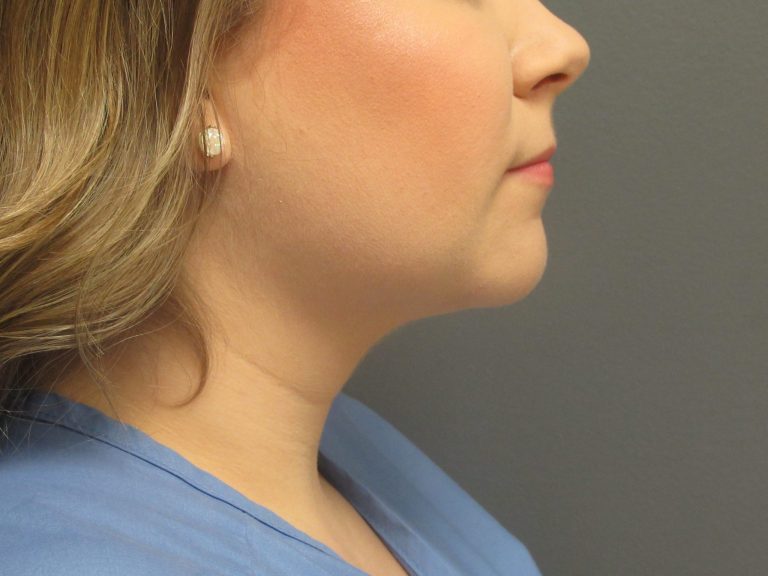
Anyone planning liposuction spends a lot of time thinking about the procedure itself, the areas being treated, the recovery timeline, and the final result. Then the surgery is over, and a surprisingly humble piece of fabric becomes part of daily life. Compression garments are not glamorous. They do not photograph well, and nobody books a consultation because they are excited to wear one. Still, they matter more than most patients expect.
When people ask about recovery after Liposuction Farmington Hills consultations, one of the most common points of confusion is the garment. How tight should it feel? How many weeks do you wear it? Should it leave marks? Can you switch to a different brand? Is more compression always better? The short answer is that compression can support healing, but only when it fits properly and is used with judgment. Too loose, and it does very little. Too aggressive, and it can create a new set of problems.
A good surgeon gives specific instructions based on the treatment area, the amount of fat removed, the technique used, and the patient’s skin quality. Even so, it helps to understand the bigger picture. Compression garments are not just an afterthought in the post operative kit. They are part of how the body settles after surgery.
Why compression matters after liposuction
Liposuction creates internal trauma, even when the incisions are small and the surgeon is meticulous. A thin cannula passes under the skin to remove fat, which leaves tunnels in the fatty layer and triggers swelling. Fluid shifts. Tissues that used to be filled with fat now need time to re adhere and smooth out. That is where a compression garment earns its keep.
Steady, even pressure can help limit swelling, reduce the sense of heaviness in treated areas, and support the skin as it adapts to a new contour. Many patients also say the garment simply makes them feel more secure when moving around, especially in the first week when every twist and rise from bed can feel dramatic. The sensation is similar to wrapping a sore ankle. You are not healing the tissue through force alone, but you are giving it structure.
That said, compression is not magic. A garment does not replace surgical skill. It does not force loose skin to tighten beyond what your skin can naturally do. It also does not erase lumps, waviness, or asymmetry caused by over resection, under resection, or uneven healing. It is a support tool, not a correction tool.
This distinction matters because patients sometimes expect the garment to do far more than it can. When expectations are off, people either underuse it or overuse it. Both are common.
What a compression garment actually does
The practical effects are easier to understand than the marketing language you see online. Most post liposuction garments serve four jobs at once. They manage swelling, help control fluid accumulation, support the skin and soft tissue while you move, and make the treated area feel less vulnerable.
Swelling after liposuction is normal and sometimes surprisingly stubborn. For some people, the first week is the most dramatic. For others, the area looks puffy off and on for months. That is not a sign something went wrong. It is part of healing. Compression helps keep that swelling from becoming more uncomfortable than it needs to be.
There is also the issue of fluid. Depending on the liposuction technique and how much wetting solution was used, some drainage is expected through tiny incision sites early on. Later, pockets of swelling can still develop internally. A properly fitted garment can help distribute pressure more evenly so tissues settle in a smoother way.
Then there is comfort. Patients often describe an odd disconnect after surgery. The contour is smaller, but the area feels firmer, tender, and swollen. The garment creates a contained feeling that many people find reassuring, especially around the abdomen, flanks, thighs, arms, or under the chin.
The first days feel different from the second week
The relationship you have with your compression garment changes as recovery progresses. In the first several days, it often feels medically necessary. You are sore, drainage may still be happening, and movement is slower. Taking the garment off, even for a shower, can feel strangely exposing. Some patients feel a rush of swelling or heaviness the moment it comes off. That sensation usually eases with time.
By the second week, the garment tends to become more of a management tool than a survival tool. Bruising starts to fade. Drainage has usually stopped. You are moving more normally. At that point, the questions shift. Patients begin asking whether they can take breaks, whether sleeping in the garment is still required, or whether they can transition to a lower compression stage.
This is where individualized advice matters. Someone who had a small amount of liposuction under the chin will have very different needs from someone who treated the abdomen, flanks, back, and inner thighs in one session. A patient with good skin elasticity in their thirties may progress differently from a patient in their fifties with thinner skin and a larger treatment area. There is no honest one size fits all answer.
How tight is too tight
This may be the most misunderstood part of garment use. Patients often assume tight equals effective. It is easy to see why. Compression sounds like pressure, so more pressure must be better, right? Not necessarily.
A good garment should feel snug and supportive. It should not create sharp pain, numbness, tingling, shortness of breath, or deep grooves that suggest the pressure is bunching rather than distributing evenly. It should also not roll up, dig into the groin or underarm, or fold into creases that press harder on one line than another. Those pressure lines can irritate healing tissue and, in some cases, contribute to contour problems.
There is a practical test surgeons and recovery nurses often rely on. The patient should be able to breathe comfortably, sit down, and stand up without feeling as though the garment is cutting into them. If removing the garment reveals severe indentation that persists well beyond a few minutes, or if the skin looks angry and blanched in specific areas, the fit deserves a second look.
Here are a few signs that a garment is doing its job rather than fighting the body:
- It feels evenly snug, not painfully tight in isolated bands.
- Swelling is supported without obvious bulging above or below the garment edges.
- You can walk, sit, and breathe normally.
- The fabric stays in place instead of rolling or twisting.
- Your skin remains intact, with no blisters, raw patches, or pressure injury.
That last point is more important than it sounds. Friction and trapped moisture can irritate skin quickly, especially when a patient is wearing foam inserts, abdominal boards, or extra padding beneath the garment. A beautiful surgical result can be overshadowed by preventable skin breakdown.
Stage one, stage two, and why surgeons differ
If you spend any time reading post op forums, you will run into talk about stage one garments, stage two garments, fajas, boards, foams, binders, and custom shapewear. The terminology can get messy because not every practice uses the same language.
Broadly speaking, early garments are usually softer, easier to get on and off, and designed to accommodate drainage and immediate post operative swelling. Later garments are often more compressive and more sculpting in feel. The transition point varies. Some surgeons prefer patients to remain in the original surgical garment for several weeks. Others switch them after the first follow up once initial swelling settles.
Neither approach is automatically better. The right timing depends on how the patient is healing. In real practice, the plan may change. A patient who swells heavily may stay in one style longer. Someone who is healing smoothly and finds the first garment too loose after ten days may need a different size or a different stage.
This is one reason many experienced practices ask patients to budget for more than one garment. Recovery is not static. Fabric stretches. Bodies change week by week. Trying to force one garment to work for six straight weeks often turns into a comfort problem or a hygiene problem, sometimes both.
The fit issues people do not expect
Compression garments sound simple until you start dealing with real bodies. A patient with a Liposuction Farmington HIlls short torso may find that an abdominal garment rides into the bra line when sitting. A taller patient may feel thigh compression ending at the worst possible spot, creating a visible ridge. Someone with a very small waist and fuller hips may get a good fit in one area and a poor fit in another.
Arms and under chin garments come with their own challenges. Arm sleeves can slip and bunch near the elbow, especially when post op swelling changes day by day. Chin straps can migrate backward during sleep or feel too loose under the jaw and too tight on the crown of the head. None of this means the recovery is failing, but it does mean adjustments matter.
One practical point that often gets overlooked in Liposuction Farmington Hills recovery conversations is climate and season. Michigan weather changes how tolerable a garment feels. Wearing abdominal or thigh compression under winter clothing is often more manageable than trying to get through a humid summer day layered in foam and firm fabric. Patients who have surgery in warmer months should think ahead about loose clothing, cooling the home, and having enough garments to wash one while wearing another.
How long do you wear one
This answer depends on the surgical plan and the surgeon’s protocol, but many patients wear some form of compression for several weeks, often in the range of four to eight weeks. Some wear it full time at first, then part time later. Others may be told to continue at night beyond that window if swelling lingers.
The most honest way to think about duration is this: the body decides the pace, and the surgeon interprets what the body is doing. Two people can have the same areas treated on the same day and heal differently. One looks presentable in fitted clothes at three weeks but still swells by evening. Another feels mostly back to normal in daily life but has firmness in the lower abdomen that takes months to soften.
Patients sometimes stop early because they are tired of the routine. That is understandable. Compression garments are inconvenient. They can feel hot, unflattering, and exhausting by the time the novelty of surgery has worn off. But quitting the garment the moment you feel better is not always wise. The early drop in soreness does not mean internal healing is complete.
On the other hand, wearing a highly compressive garment far longer than recommended, especially in pursuit of a smaller shape, is not necessarily helpful either. More time is not always more benefit. Recovery should follow your surgeon’s assessment, not social media folklore.
Getting the right size the first time
Sizing is where a lot of frustration begins. Patients often buy based on their pre surgery measurements or regular clothing size, which can be misleading. Right after surgery, swelling changes the equation. Some practices supply the first garment directly to reduce guesswork, then advise on a replacement size later.
If you are shopping for an additional garment, focus on post op intent rather than everyday shapewear marketing. A true post surgical garment usually has features that regular contour wear does not, such as access openings, adjustable closures, softer seams, and a cut designed for prolonged wear over healing tissue.
Before buying, it helps to ask a few very practical questions:
- Is this garment intended for post liposuction recovery or only cosmetic shaping?
- Which areas does it compress, and where does the pressure stop?
- Can it be adjusted as swelling changes?
- Will I realistically tolerate this fabric for many hours a day?
- Do I have a second garment for washing and drying time?
That last question saves more trouble than people realize. Wearing the same garment around the clock without giving it a chance to be washed and fully dried is uncomfortable and not great for skin health. Most patients are happier with two.
Foam, boards, and extra padding
Some surgeons recommend foam pads or boards under compression, especially for abdominal liposuction. The logic is simple. These inserts can help smooth pressure across a broader surface so seams and closures do not dig into one line of healing tissue. In certain cases, they may also help reduce wrinkling or bunching in the garment.
But these tools are not universal. A board that helps one patient can annoy another. A foam insert that lies flat on a broader abdomen may shift constantly on a shorter torso. If padding creates a fold, presses awkwardly into the ribs, or rubs the skin raw, it is not helping just because somebody online swears by it.
This is where hands on guidance from the operating team makes a difference. A nurse who has seen hundreds of recoveries can often tell at a glance whether the problem is the garment, the padding, the size, or the way the patient is putting everything on. That kind of practical troubleshooting is hard to replace with internet research.
Hygiene, laundry, and skin care matter more than people think
The recovery discussion often centers on contour and swelling, but basic garment care deserves equal attention. These garments sit close to the skin for long stretches, collecting sweat, drainage residue, lotion, and body oils. If the fabric is not cleaned properly, patients can end up itchy, irritated, or simply miserable.
Most garments do best with gentle washing and air drying, though the care instructions should always be checked. High heat can damage elasticity and change the fit. Patients who try to speed up laundry with a hot dryer sometimes end up with a garment that feels dramatically tighter the next day.
Skin under compression needs attention too. Incisions should stay clean and follow the surgeon’s wound care instructions. Moisturizer may be fine once the skin is intact, but heavy creams under a tight garment can trap heat and moisture. If a rash appears, especially in a fold or beneath padding, that is worth flagging early before it becomes a bigger issue.
A small but common complaint is itching. Some itching is normal as the body heals and swelling shifts. But intense itching can also signal irritation from detergent, friction, or the fabric itself. Sometimes the fix is as simple as changing laundry soap or adding a soft barrier layer approved by the surgical team.
What if the garment makes you look lumpy
This is one of the more emotionally charged parts of recovery. Patients remove the garment, look in the mirror, and see puffiness, ridges, or asymmetry. Then they put the garment back on and worry that it is either causing the problem or failing to fix it.
Some unevenness is simply swelling. Swelling is not always symmetrical, and it can collect more in dependent areas or along natural tissue planes. A garment may also create temporary impressions that look alarming but fade after a short time. That is different from a persistent contour issue.
The key is pattern and persistence. If the same ridge shows up every day in the same spot, especially if it lines up with a seam or fold in the garment, it deserves a closer look. If a treated area becomes harder, hotter, or significantly more painful, that also needs evaluation. Recovery always includes some strange moments, but not every strange moment is normal.
The emotional side of wearing compression
There is a psychological side to compression garments that does not get enough attention. Patients often assume they will feel immediately slimmer and more confident after surgery. Instead, the first few weeks can feel awkward and anticlimactic. You may be swollen, stiff, bruised, and zipped into a medical looking garment that is impossible to hide under certain clothes.
That gap between expectation and reality catches people off guard. It is especially common in patients who return to work quickly or who hoped liposuction would feel like an instant visual reset. Real recovery is less cinematic. The garment becomes a daily reminder that the body is still in process.
Yet many patients also become attached to it. After wearing compression day and night, the moment they are told they can taper off can feel oddly unsettling. It is not just physical support. It becomes routine, protection, and reassurance. That reaction is more common than most people admit.
Choosing comfort without losing effectiveness
The best compression garment is not the harshest one. It is the one you can wear consistently, safely, and correctly during the period your surgeon recommends. That usually means balancing support with tolerability.
A patient recovering from flank liposuction who can comfortably wear a well fitted mid compression garment for the full advised schedule may do better than someone forcing a much tighter garment on and off for shorter stretches because they cannot stand it. Compliance matters. So does sleep. So does being able to go to the bathroom without turning every trip into a production.
In practice, successful recovery often comes down to small realistic choices. Buying two garments instead of one. Testing how the fabric feels after a shower. Wearing loose clothing over it rather than trying to squeeze back into pre surgery jeans too soon. Calling the office when the fit seems off instead of assuming discomfort is proof it is working.
Compression garments are not the star of liposuction recovery, but they are one of the tools that can quietly shape the experience. Used well, they support healing and make the process more manageable. Used carelessly, they become another source of stress. The difference is usually not brand hype or internet advice. It is fit, timing, skin care, and following instructions tailored to the procedure you actually had. For patients navigating Liposuction Farmington Hills treatment plans, that practical approach tends to serve them better than any one size fits all rule.
Aesthetic Plastic Surgery & Laser Center, Michelle Hardaway M.D.
27920 Orchard Lake Rd
Farmington Hills, MI 48334
(248) 221-1957
FAQ About Liposuction Farmington Hills
What disqualifies you from getting liposuction in Farmington Hills?
A surgeon may recommend postponing or avoiding liposuction if a health condition, medication, or nicotine use raises the risk of surgery or poor healing. A consultation is needed to assess your medical history and whether the procedure fits your goals.
Can liposuction remove 20 pounds?
Liposuction is a body contouring procedure for localized fat. It is not a weight loss treatment, and a specific number of pounds is not a safe or useful target. The surgeon determines how much can be removed safely for each patient.
What are the risks of liposuction?
Risks include infection, changes in sensation, uneven contours, and complications from anesthesia or blood clots. A plastic surgeon can explain which risks apply to you and what to expect during recovery.